

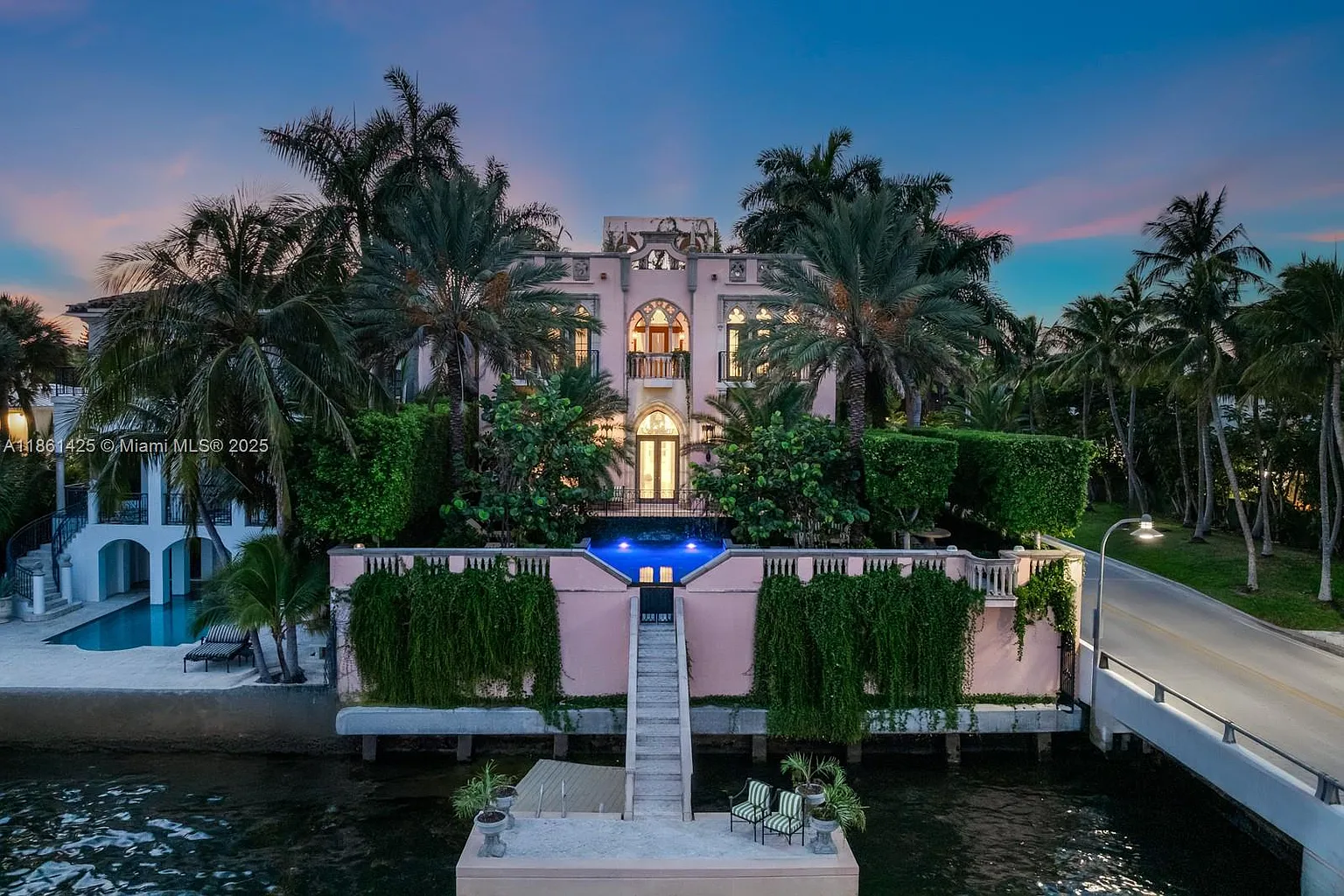
Why most good looking deals in Miami are not actually good
In Miami, presentation is powerful. Units are staged well. Views are emphasized. Projections are optimistic. This creates the illusion that quality and value are aligned. Often they are not.
Many buyers focus on what they can see and what they are told. They underestimate what they are not shown. Building finances, governance, insurance exposure, and long term maintenance obligations rarely appear in marketing material, yet they determine ownership outcomes.
A common pattern repeats itself. A buyer purchases a visually appealing unit at a reasonable price. Cash flow works initially. Over time, insurance premiums rise. Maintenance is deferred. Reserves prove insufficient. Special assessments appear. At that point, the unit becomes harder to sell, not because it changed, but because uncertainty expanded.
Miami amplifies this risk because operating costs are not stable. Insurance markets here are reactive. Building age, construction type, elevation, and claims history all matter. What is affordable today may not remain so.
Liquidity is another overlooked factor. A deal that depends on perfect conditions is fragile. When demand softens, buyers become selective. Properties with unclear cost structures or governance issues are discounted first and most aggressively.
Listings do not explain this. They cannot. Their purpose is to attract attention. Understanding whether a deal survives stress requires looking beyond the listing entirely.
A real deal in Miami is one that continues to function when conditions change. It remains insurable. It remains rentable. It remains attractive to the next buyer. That resilience is rarely visible at first glance.