

Overview
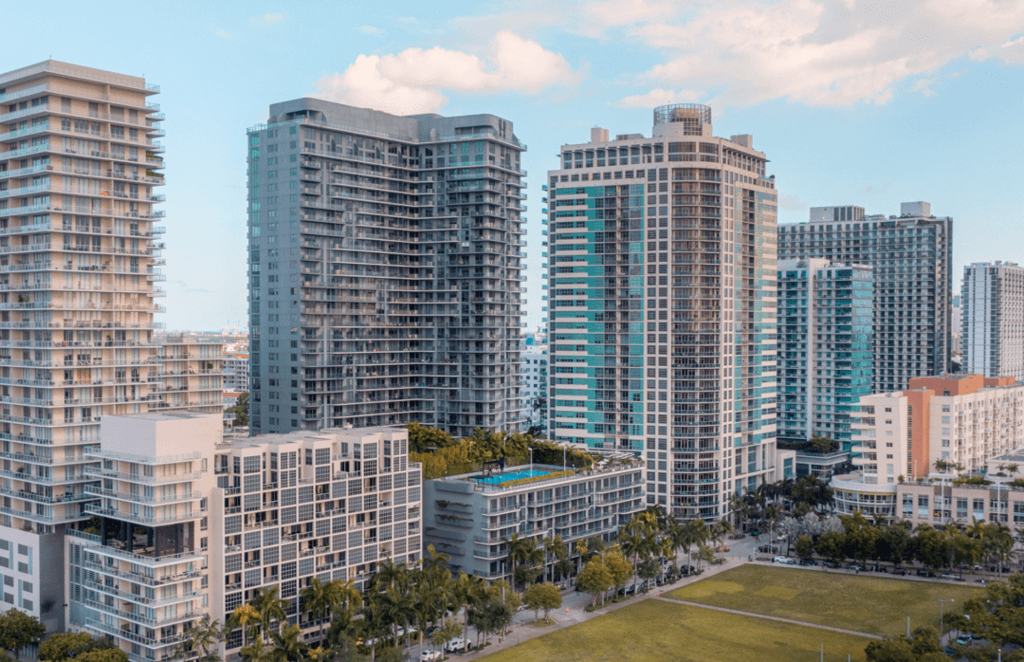
The Miami Design District and Midtown form one of the city’s most sophisticated and well-defined urban ecosystems. Together, they connect design, fashion, art, gastronomy, and residential life in a planned, walkable area strategically positioned between Wynwood, Edgewater, and Downtown.
It is a region where aesthetics and economics go hand in hand, creating value not only in real estate, but also in culture and symbolism.
History & Identity
The Design District underwent a profound transformation starting in the late 1990s, when a former industrial area was reinterpreted as a global hub for design and art. The neighborhood became an international benchmark, attracting luxury brands, galleries, cultural institutions, and renowned architects.
Midtown, in turn, was developed as a mixed-use urban neighborhood, inspired by global metropolitan centers, offering integrated residences, commerce, services, and public spaces. Together, they create a unique urban continuity in Miami.
Architecture & Urban Planning
The architecture of the Design District is highly curated. Each building, square, or art installation was conceived as part of an aesthetic narrative. Projects by international names coexist with permanent artistic interventions, transforming the neighborhood into an urban gallery.
Midtown complements this experience with contemporary buildings, wide streets, green spaces, and a more residential scale, while maintaining high walkability and integration between housing and services.
Culture & Lifestyle
The Design District is home to some of the city’s leading cultural institutions, including museums, private collections, and international events related to art and design. The gastronomy follows the same pattern, with renowned restaurants and signature culinary experiences.
The lifestyle is urban, sophisticated, and international. It’s a region frequented by creatives, executives, collectors, and investors who value aesthetics, convenience, and cultural connection.
Location & Mobility
The area boasts a strategic location with quick access to Miami Beach, Downtown, Brickell, and the airport. Walkability is high, allowing for much of the daily routine to be accomplished on foot.
The proximity to Wynwood and Edgewater further enhances the potential for mobility and urban integration, strengthening the attractiveness of the area.
Real Estate Market & Key Data
In Midtown, the average condominium value is around US$700,000, while high-end units in the Design District exceed US$2 million. The accumulated appreciation over the last decade surpasses 120%, with average annual growth between 7% and 9%.
The demand for rentals is constant, driven by creative professionals, executives, and an international audience, ensuring good liquidity and stability in the market.
Investment Profile
Design District & Midtown are ideal for investors seeking:
- Strong cultural and aesthetic appeal.
- Central and walkable location
- High liquidity and consistent appreciation.
- Qualified international audience
- Integration between lifestyle and investment.
It’s a market where image, positioning, and value go hand in hand.
Market Behavior
A high-density luxury retail and residential hub where median listing prices hover around $790K with a focus on modern, turnkey assets; this area is a primary target for “the working wealthy,” offering rapid appreciation potential as multi-billion-dollar infrastructure projects and new high-profile towers reach completion.
Reading The Miami Deal
At The Miami Deal, we interpret the Design District and Midtown as the point where desire and strategy meet. A territory where investing also means becoming part of a global narrative of design, culture, and sophistication.