

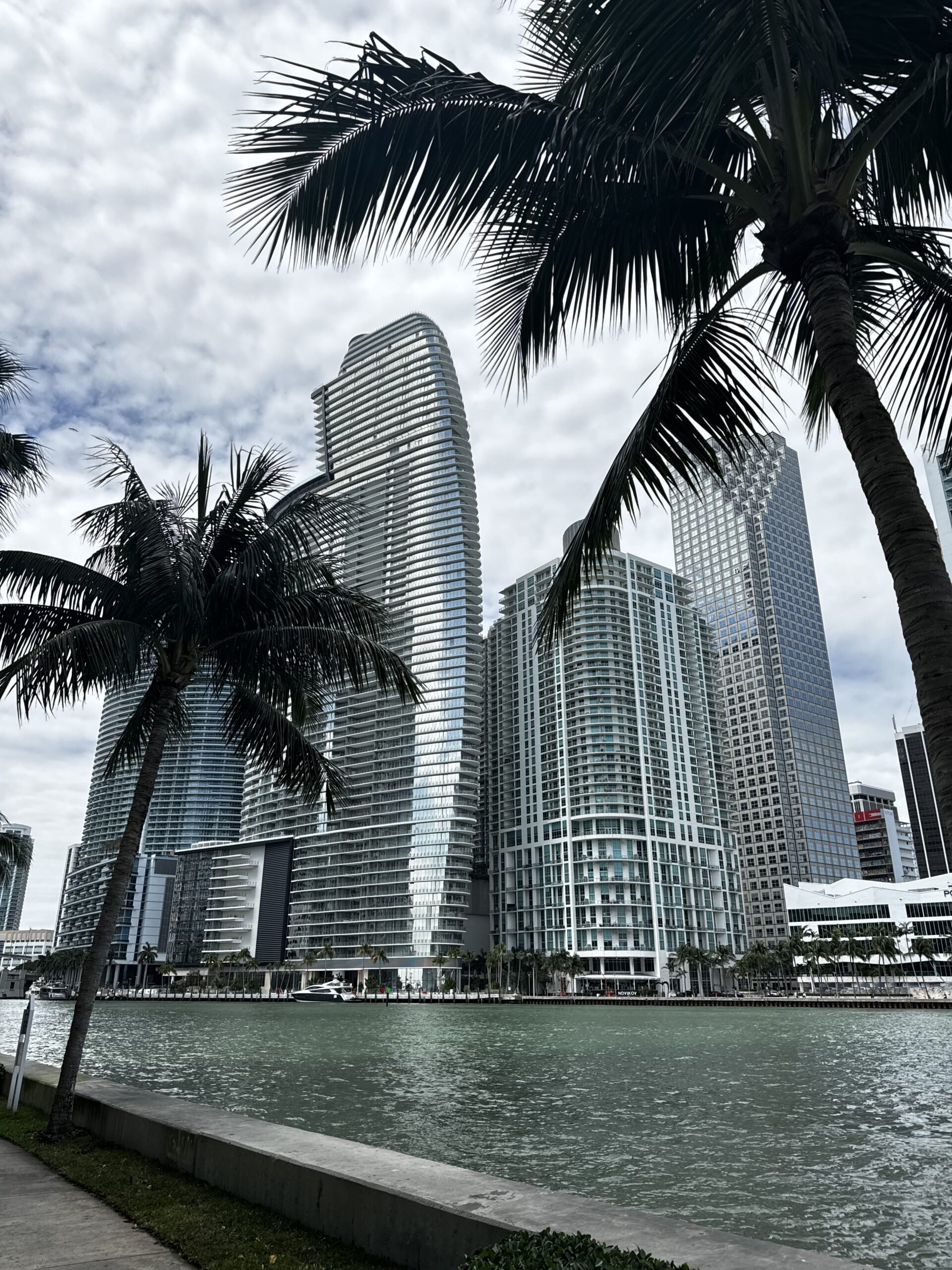
Pre construction has long been positioned as one of the most attractive entry points into the Miami real estate market, offering buyers the ability to secure pricing early and benefit from appreciation during the development cycle. While this model has historically produced strong returns in certain periods, its risk profile is often understated, particularly in a market where supply cycles and macroeconomic conditions can shift significantly between contract and delivery.
The typical pre construction structure in Miami involves a series of staged deposits, often totaling 30 to 50 percent of the purchase price, paid over the course of construction. This capital allows developers to finance projects while transferring a portion of the market risk to buyers. The underlying assumption is that by the time the project is completed, the property will be worth more than the original contract price, enabling either resale at a profit or long term ownership at a favorable basis.
The risk lies in the time gap between these two points.
In Miami, this gap typically spans three to five years, during which the broader economic environment can change substantially. Interest rates may rise, reducing affordability and buyer demand. New competing developments may enter the market, increasing supply. The composition of buyers may shift, particularly if international capital flows are affected by currency movements or geopolitical factors.
Data from previous cycles illustrates this dynamic. During the mid 2000s development boom, a large number of pre construction buyers found themselves in a markedly different market at delivery, leading to price corrections, increased inventory, and in some cases, contract defaults. While the current market is structurally different, the principle remains the same: the value of a pre construction purchase is not determined at contract, but at delivery.
As of 2025, South Florida has tens of thousands of residential units in various stages of development, with significant concentration in areas such as Brickell, Downtown, and Edgewater. This pipeline represents future supply that will compete not only with existing inventory but with itself upon completion. If multiple projects deliver within a similar timeframe, the market may face localized oversupply, particularly in segments driven by investor demand rather than end users.
This does not imply that pre construction should be avoided. It requires a different framework of analysis. Evaluating a project solely on current pricing and projected appreciation is insufficient. A more robust approach considers who the eventual buyer will be, how many comparable units will be available at delivery, and whether the assumptions embedded in the current pricing remain valid under different economic conditions.
Time is the least discussed variable in pre construction, yet it is the most influential. It introduces uncertainty not only in pricing but in demand, competition, and financing conditions. Understanding how an asset performs across that timeline is essential to assessing its true risk and return.