

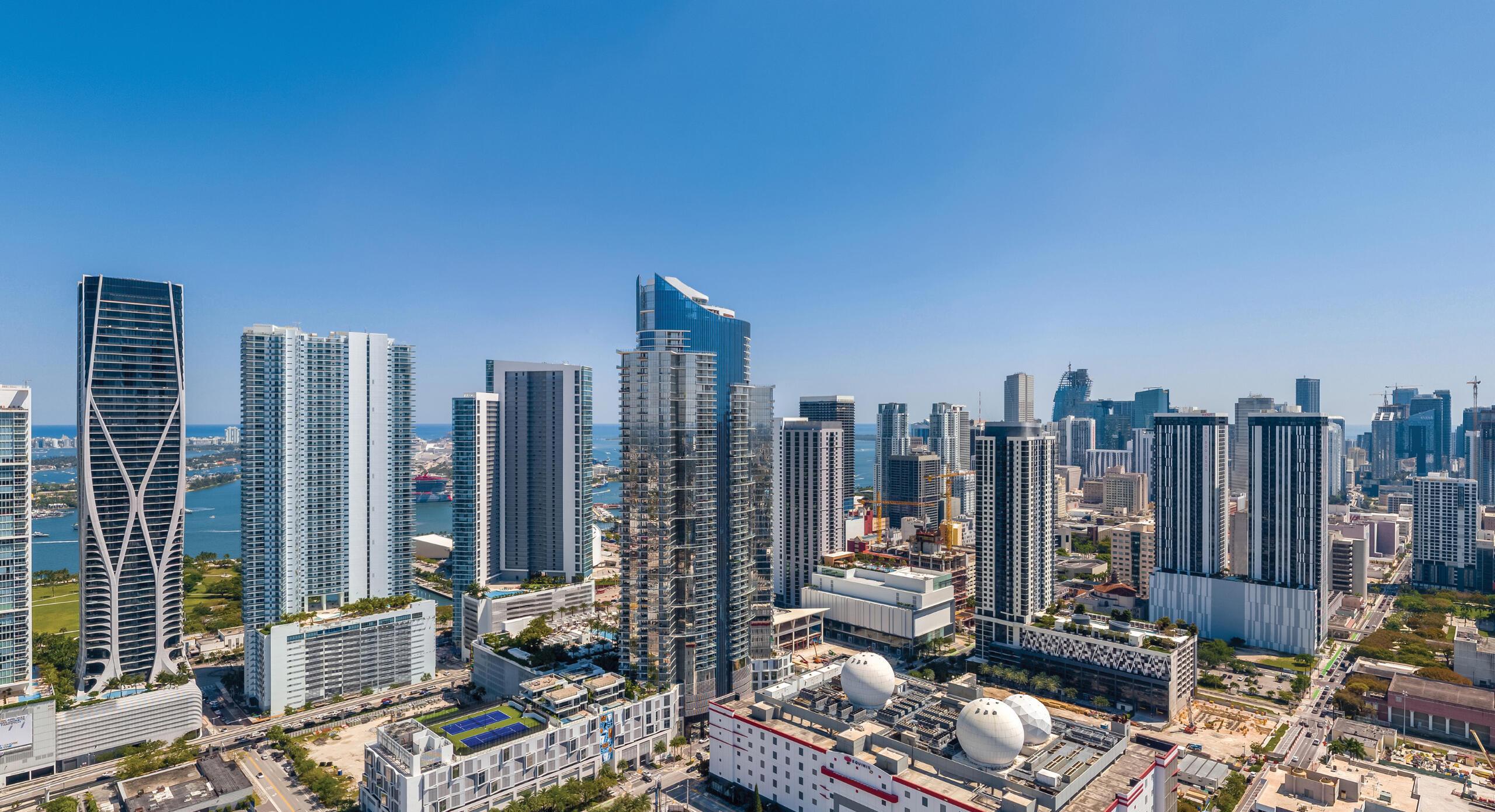
The analytical framework for evaluating vertical real estate in Miami has been fundamentally rewritten by escalating operational carrying costs and strict state safety mandates. Contemporary buyers are no longer assessing condo units purely through the lens of purchase price per square foot or baseline rental yields. Instead, sophisticated capital is executing deep forensic audits of building financials, focus-driven structural reserve studies, and commercial property insurance allocations. A beautiful interior layout inside an association with underfunded capital reserves has transformed from a minor managerial nuisance into an existential financial risk capable of wiping out equity.
This shifting paradigm is a direct response to state-wide structural integrity legislation, which removed the ability of condo boards to continuously defer critical structural maintenance and concrete restoration. Associations across Miami-Dade are now legally required to maintain fully funded reserve accounts based on detailed engineering studies, forcing a sharp upward adjustment in monthly fees and triggering massive, un-financed special assessments. These soaring operational costs are heavily impacting the cash-flow profiles of investment units, particularly in older coastal towers where the cost of compliance is highest. For properties relying on traditional long-term leasing models, these non-discretionary expenses are outpacing rent growth, leading to a compression of net operating income that is forcing a repricing of older condo inventory.
Consequently, the vertical market is experiencing a massive flight to quality and institutional transparency. New construction towers that meet contemporary building codes are capturing a substantial pricing premium because they offer buyers long-term insulation from unexpected capital calls and skyrocketing insurance premiums. Sophisticated investors are consciously choosing to bypass the lower nominal prices of legacy buildings, recognizing that the total cost of ownership in an underfunded building can quickly outpace any upfront equity discount. In this environment, exit strategies must be built on full financial disclosure, as the buyer pool has become highly risk-averse, prioritizing structural and financial health over aesthetic views and cosmetic lifestyle amenities.
The insurance landscape complicates this vertical underwriting even further, as global reinsurance markets continue to re-rate risk along the Florida coastline. Even buildings with clean structural reports are facing double-digit increases in premium allocations due to aggregate market exposure and climate modeling. These insurance costs are passed directly to unit owners through the annual budget, creating a permanent drag on the asset’s capitalization rate. An investor who fails to model these escalating insurance trajectories into their ten-year pro forma is exposed to severe margin compression that can turn a cash-flowing asset negative.
This operational pressure is triggering a wave of consolidation and bulk acquisition attempts in older, low-to-mid-rise coastal buildings. Institutional developers are tracking associations where the cost of mandatory structural remediation exceeds the collective financial capacity of the unit owners. In these scenarios, developers step in to execute bulk buyouts, terminating the condominium structure entirely to clear the land for a new, ultra-luxury high-rise project. While this offers an exit strategy for distressed owners, it removes affordable and mid-tier inventory from the coastal market, accelerating the gentrification of Miami’s waterfront.
For individual investors holding units in legacy buildings, the decision-making matrix has become incredibly compressed. They must decide whether to absorb the incoming capital calls and hold the asset through a lengthy restoration cycle or sell immediately at a significant discount to cash buyers. The market for these compromised units has become highly illiquid, as conventional banks refuse to underwrite mortgages in properties with outstanding structural deficiencies or depleted reserves. This creates an environment where cash is king, and distressed asset buyers are extracting deep concessions from vulnerable sellers.
Looking forward, the vertical asset class in Miami will become increasingly institutionalized, with a clear line separating compliant, well-managed luxury towers from decaying, financially strained legacy structures. The premium for professional management and forward-thinking financial governance will continue to expand, transforming the role of the condo board from a volunteer civic duty into a high-stakes corporate operation. Investors must adapt to this environment by treating the condo association’s balance sheet with the same scrutiny they would apply to the financial statements of a publicly traded company.